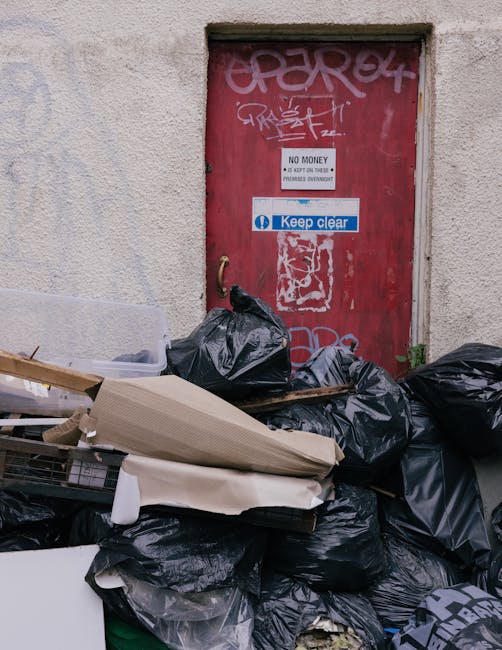
Avoid hidden rubbish removal charges in Hayes what to know

If you've ever booked rubbish removal and then seen the final bill creep up, you'll know how frustrating it feels. A quote that looked tidy on paper can suddenly grow legs: access fees, labour extras, mattress surcharges, parking complications, awkward item charges... the lot. This guide on Avoid hidden rubbish removal charges in Hayes what to know is here to help you spot those traps early, compare quotes properly, and book with far more confidence.
Hayes residents and businesses often need fast, reliable clearance for homes, flats, offices, gardens, garages, lofts, or renovation waste. That urgency is exactly where hidden costs tend to sneak in. So let's break down how pricing really works, what to ask before you agree to anything, and how to avoid paying more than you should. Nothing fancy. Just the stuff that actually saves money.
- Why this matters
- How rubbish removal pricing works
- Benefits of getting pricing right
- Who needs this advice
- Step-by-step guidance
- Expert tips
- Common mistakes
- Tools and resources
- Law, compliance and best practice
- Options and comparison
- Real-world example
- Checklist
- Conclusion
- Frequently asked questions
Why Avoid hidden rubbish removal charges in Hayes what to know Matters
Hidden charges are not just annoying; they make it hard to compare providers fairly. One company may advertise a low starting price, while another offers a more complete quote that includes labour, loading, and disposal. On the face of it, the cheaper option looks better. In reality, it may cost more by the time the van is loaded.
For people in Hayes, this matters even more because local jobs can vary a lot. A ground-floor flat with easy access is a different job from a top-floor property with no lift, a narrow driveway, or a back garden full of broken fencing and heavy bags. The price should reflect the job, yes, but it should also be explained clearly before anyone turns up.
To be fair, most customers don't mind paying for genuine extra work. The problem is surprise billing. You deserve to know whether the quote covers stair carrying, waiting time, bulky furniture, or special waste handling. If a company is vague now, it usually won't become clearer later. That's the little warning bell.
Clear pricing also helps you choose the right service type. For instance, if you're clearing general household waste, you may want a broader waste removal service. If the job is a full property clearance, something more specific like home clearance or house clearance may be a better fit.
Expert summary: The safest rubbish removal quote is the one that explains what is included, what counts as extra, and how the final price will be confirmed before work starts.
How Avoid hidden rubbish removal charges in Hayes what to know Works
Rubbish removal pricing usually starts with a few core factors: volume, weight, waste type, access, labour, and disposal route. Sounds simple enough, but the details are where billing changes happen. A quote might be based on a van load, a half load, or a specific item list. If you add more than expected on the day, the cost can shift.
Here's the practical version. A provider should ask what you have, where it is, how easy it is to reach, and whether anything needs special handling. That's especially important for things like fridges, mattresses, office furniture, builders' rubble, or waste that may fall under hazardous disposal rules. If a company does not ask those questions, they are not gathering enough information to quote properly. That's not a small gap.
Some services are item-led, some are load-led, and some are labour-led. A straightforward sofa collection is very different from a garage packed with mixed junk, paint tins, scrap wood, and a broken appliance. The more mixed and awkward the waste, the more important a detailed quote becomes.
If you are comparing providers, the pricing pages and policies matter as much as the headline offer. It can help to review the company's pricing and quotes information, along with pages covering payment and security and terms and conditions. Those pages often tell you how the business handles deposits, cancellations, and chargeable extras.
Key Benefits and Practical Advantages
The biggest benefit of understanding rubbish removal charges is simple: you keep control. When you know how prices are built, you can spot a quote that is missing something before it becomes your problem.
- Better comparison: You can compare like for like, rather than comparing a full service with a stripped-down teaser price.
- Fewer disputes: Clear terms reduce awkward conversations at the kerb, on the stairs, or at the end of the job.
- More accurate budgeting: Helpful if you're clearing a flat, office, garden, or house as part of a move or renovation.
- Quicker decisions: When the quote is clear, you can book sooner. No guessing, no back-and-forth all afternoon.
- Better service matching: You can choose the right type of clearance, whether that's flat clearance, office clearance, or builders waste clearance.
There's also a less obvious benefit: it helps you waste less time. A transparent service tends to be more organised, and organised teams usually collect faster. That means less disruption, less mess left outside, and fewer surprises when the van arrives. You'll notice the difference within minutes, honestly.
And if sustainability matters to you, proper pricing usually goes hand in hand with better sorting and disposal practices. A provider that explains what happens to collected waste is usually more serious about recycling and responsible handling. That's a good sign.
Who This Is For and When It Makes Sense
This advice is useful for almost anyone booking waste collection in Hayes, but a few groups benefit most.
Homeowners and tenants
If you're clearing out a loft, spare room, garage, or garden, hidden charges can creep in through access issues or bulky items. That applies especially to older terraces, maisonettes, or homes where everything seems to live in the wrong room at the wrong time.
Landlords and letting agents
End-of-tenancy clearances often involve mixed waste, furniture, and leftover personal items. If the property is not fully empty, the final price may change unless the scope is confirmed properly.
Businesses and office managers
Office clearances can involve desks, filing cabinets, electronics, confidential paper, and heavy furniture. A simple "per van load" quote can be misleading if labour, stairs, or out-of-hours access are not spelled out. For workspace jobs, business waste removal and office clearance are worth reviewing together.
Builders and renovators
Construction and renovation waste is often heavier than people expect. Bricks, plasterboard, timber, and old fittings can alter cost, especially if the load includes mixed materials. If your job is site-heavy, check builders waste clearance alongside the quote terms.
When does this advice matter most? Usually when you are under time pressure, have bulky waste, or need same-day or next-day collection. That's when quick decisions are tempting. Not always wise, though.
Step-by-Step Guidance
If you want to avoid hidden rubbish removal charges in Hayes, use a simple process. Nothing glamorous, but it works.
- List everything you want removed. Be specific. "Old stuff from the garage" is not enough. Note the number of bags, furniture items, appliances, and any awkward or heavy pieces.
- Take a few clear photos. Wide shots and close-ups help the provider see volume and access. If the waste is in a loft, basement, rear garden, or a tight hallway, show that too.
- Ask what the quote includes. Loading, labour, disposal, VAT if applicable, congestion or parking issues, and whether extra items cost more.
- Check for restricted waste. Some items need special handling, like fridges, mattresses, sofas, or hazardous materials. Don't assume they're included in the same price as general waste.
- Confirm access details. Mention stairs, lift access, narrow entrances, locked gates, or the need to carry items from a back garden. A lot of quote changes happen here.
- Ask how the final price is confirmed. A good provider should tell you before starting the load if the actual volume differs from the estimate.
- Read the terms before booking. Boring, yes. Useful, absolutely. It can reveal cancellation fees, waiting charges, or payment rules.
A small practical tip: keep your waste in one place if you can. Scattered items across several rooms make estimates less reliable. A neat pile in the driveway or one room helps the team price the job more accurately. And saves your sanity a bit too.
If you know the items are specialised, use the relevant service pages rather than guessing. For example, a broken fridge may need fridge and appliance removal, while damaged seating may be better handled through mattress and sofa disposal. Mixed waste is fine, but it needs to be described properly.
Expert Tips for Better Results
Here's where the small details make a big difference.
- Get the quote in writing. A message, email, or booking confirmation is easier to refer back to than a quick phone call.
- Separate normal waste from unusual items. If you have an old sofa, a fridge, and builder's rubble, group them mentally. Different item types may be priced differently.
- Ask about access before you ask about price. Access is one of the most common reasons a quote changes.
- Keep an eye on minimum charges. Sometimes small jobs are priced by a minimum load or a call-out threshold. That's normal, but it should be explained.
- Don't understate the amount of waste. It sounds obvious, but some people do it to get a lower quote. Then everybody ends up irritated. Not worth it.
- Check whether recycling is part of the service. A provider committed to recycling and sustainability is usually more careful about sorting and disposal.
One thing people often forget: parking. In parts of Hayes, especially around busier streets or shared access areas, stopping space can be awkward. If the crew has to park further away, that may affect timing or cost. It's not a trick. It's just one of those real-world things that changes the job on the ground.
Another useful habit is to ask whether the team can confirm the final cost before loading begins. That way, if the scope has changed, you still have a chance to decide whether to go ahead. A fair arrangement, really.
Common Mistakes to Avoid
Most hidden charges come from the same handful of mistakes. Avoid these and you're already ahead.
- Choosing the cheapest headline price only. A low teaser quote can be misleading if it excludes labour or disposal.
- Forgetting to mention heavy or awkward waste. Items like garden sleepers, bathroom fittings, or broken appliances can alter the job.
- Ignoring access problems. A top-floor flat without a lift is not the same as a ground-floor pick-up. Not even close.
- Not reading the terms. Cancellation, rescheduling, waiting time, and extra load charges usually live there.
- Assuming all waste is treated the same. General waste, furniture, electricals, and potentially hazardous items are handled differently.
- Leaving everything until the last minute. Rushed bookings often mean rushed quotes, and rushed quotes are where surprises hide.
A tiny but important point: do not be embarrassed to ask questions. Good providers expect them. If a company sounds annoyed when you ask what the fee covers, that is useful information in itself. Maybe not the kind you wanted, but useful.
Tools, Resources and Recommendations
You do not need fancy tools to protect yourself from hidden rubbish removal charges. Just a few simple things.
- Phone camera: Take clear images of the waste and access route.
- Room list or quick inventory: Jot down what is being removed, especially bulky items.
- Notes app or paper checklist: Record what the quote includes, who you spoke to, and the agreed price.
- Booking confirmation: Keep it handy on the day in case anything needs checking.
- Relevant service pages: For item-specific jobs, review services like furniture clearance, furniture disposal, garden clearance, or garage clearance.
If you are unsure where your job fits, a general waste removal option may be the starting point, but it still pays to describe the load clearly. If the job is a whole-property clear-out, the more targeted home clearance or house clearance pages may help you understand what kind of scope is involved.
For booking confidence, it also helps to know who you are dealing with. The company's about us page, insurance and safety information, and health and safety policy can tell you a lot about how seriously the business treats site work, staff safety, and customer protection.
Law, Compliance, Standards, or Best Practice
When rubbish is removed, it is not just a transport job. It involves disposal duties, duty of care, and proper handling of waste. You do not need to be a legal expert to book a collection, but it is sensible to understand the basics.
In the UK, reputable waste carriers should operate in line with relevant waste handling expectations and environmental best practice. For customers, the main practical takeaway is simple: make sure waste is going to a legitimate disposal route and that the provider can explain how they handle different waste types. That is especially important for items that may need separate treatment, such as appliances, electrical waste, or materials that could be considered hazardous.
If a provider offers hazardous waste disposal, that does not automatically mean your items are hazardous. It simply means they should be prepared to identify, separate, and manage certain materials correctly. Do not mix unknown chemicals, paint, or sharp materials into a general load and hope for the best. It makes pricing less predictable and can create safety issues.
For commercial customers, the standards are even more relevant. Confidential paperwork, office equipment, and electronics often need proper handling, and some businesses will want reassurance about privacy, security, and disposal process. In those cases, confidential shredding may be part of the wider waste plan, while business-specific removals should sit under a clearly explained business waste removal arrangement.
Best practice is not complicated:
- describe the waste accurately
- ask what the price includes
- confirm access issues in advance
- check special-item handling before booking
- keep written confirmation of the agreed scope
That is usually enough to avoid most of the nonsense.
Options, Methods, or Comparison Table
Not every clearance job should be booked the same way. Here's a simple comparison to help you choose the right method and reduce the chance of hidden fees.
| Option | Best for | Watch out for | Hidden-charge risk level |
|---|---|---|---|
| General waste removal | Mixed household or light business waste | Volume estimates, labour, access | Moderate |
| Furniture clearance | Sofas, tables, wardrobes, office desks | Bulky lifting, stair carrying, item type | Moderate |
| Garden clearance | Green waste, soil, branches, outdoor junk | Heavy loads, damp waste, mixed materials | Moderate to high |
| Builders waste clearance | Renovation rubble, timber, tiles, fittings | Weight, mixed waste, restricted materials | High |
| Flat or house clearance | Full property clear-outs | Access, sorting time, item count | High |
If you are unsure which route is right, think about the main risk: weight, quantity, or access. That usually tells you where extra charges are most likely to appear.
Case Study or Real-World Example
Here's a realistic example from the kind of job people in Hayes book all the time.
A couple were clearing a two-bedroom flat after a move. They had three wardrobes, a mattress, a broken fridge, a dozen bin bags, and a few odds and ends from the loft. On the phone, the first quote they received sounded fine. But it only covered a basic van load and didn't mention lift access, appliance handling, or the fact that the flat was on an upper floor with a narrow stairwell.
They asked for a clearer quote the second time. This time they sent photos, listed the fridge separately, and confirmed the access route. The price was a bit higher at the start, but it stayed fixed. No awkward add-ons, no last-minute "oh, by the way" moment, and no bill shock. Truth be told, that's the better outcome every time.
What changed? Not the waste. The information. Once the provider understood the job properly, the quote became much more reliable. That's the whole game here.
For similar jobs, a customer might also need a dedicated flat clearance or fridge and appliance removal service so the scope is clear from the outset. The clearer the brief, the fewer surprises.
Practical Checklist
Use this checklist before you book. It is simple, but it catches a lot.
- Have I listed all items, including awkward or heavy ones?
- Have I shared clear photos of the waste?
- Have I explained access clearly, including stairs, gates, or parking limits?
- Do I know what the quote includes?
- Have I asked about any extra charges for special items?
- Do I understand the payment terms and cancellation rules?
- Have I checked the relevant service page for my waste type?
- Have I kept the quote or confirmation in writing?
- Have I separated confidential or hazardous items from general waste?
- Do I know who to contact if the job scope changes on the day?
If you can tick most of those off, you are in a strong position. Not perfect, because real jobs can still throw up the odd surprise, but strong enough to stay in control.
Conclusion
Hidden rubbish removal charges are usually avoidable when you slow down long enough to ask the right questions. That does not mean every quote should be the same or that every job is simple. It just means the price should make sense before the van doors close.
In Hayes, where properties, access, and waste types can vary a lot, clarity matters even more. Whether you need a full house clearance, a quick garage clearance, or something more specialist like mattress and sofa disposal, the same rule applies: know what is included, know what could cost extra, and keep the conversation open.
That is how you protect your budget and avoid the annoying little surprises. And frankly, a smooth clearance day feels better than saving a fiver and getting stressed for an hour.
Get a free quote today and see how much you can save.
When the price is clear, the rest of the day usually feels lighter. That alone is worth a lot.
Frequently Asked Questions
What are hidden rubbish removal charges?
They are extra costs that are not clearly explained before booking, such as added labour, difficult access, special-item handling, or charges for more waste than expected.
How do I avoid surprise fees on rubbish removal in Hayes?
Give a full waste list, share photos, mention access problems, ask what the quote includes, and get the price confirmed in writing before the job starts.
Is the cheapest quote always the best option?
No. The cheapest headline price can leave out labour, disposal, or item-specific charges. A slightly higher but clearer quote is often better value.
Do rubbish removal companies charge more for stairs or no lift access?
Sometimes, yes. Carrying waste up or down stairs, especially from upper floors or awkward buildings, can affect labour time and the final price.
Are fridges and appliances usually included in standard waste removal?
Not always. White goods can need separate handling, so it is wise to check services like fridge and appliance removal rather than assuming they are included.
What should a good rubbish removal quote include?
It should explain the waste type, estimated volume, labour, disposal, access assumptions, and any special charges. The fewer grey areas, the better.
Can I combine furniture, garden waste, and general rubbish in one collection?
Often yes, but the provider should know about the mix in advance. Mixed loads can affect pricing and disposal arrangements, so details matter.
What if the amount of rubbish is larger than I expected?
Tell the provider as soon as you realise. A transparent company should explain any adjustment before going ahead with the extra work.
Do I need to worry about hazardous waste or special items?
Yes. Items such as paint, chemicals, and some electrical or contaminated materials may need separate handling. Ask before you book, especially if you are unsure.
Is written confirmation really necessary?
Absolutely. A written quote or booking confirmation helps avoid disputes and gives you something to refer back to if the job scope changes.
What's the difference between house clearance and general waste removal?
House clearance usually involves clearing most or all of a property, while general waste removal may cover a smaller or more mixed load. The right choice depends on how much needs removing.
What should I do if I think I was overcharged?
Raise it quickly, refer to the written quote, and review the company's complaints procedure if needed. Calm, factual communication usually works best.
How can I check if a waste company is trustworthy?
Look for clear pricing, sensible terms, useful policy pages, and a straightforward explanation of how waste is handled. Pages like insurance and safety and about us can help you judge that.
Can I book rubbish removal online without worrying about hidden costs?
You can, as long as the booking process asks the right questions and the quote is clear. If something feels vague, pause and clarify before confirming. That little pause can save a lot of hassle later.