Commercial Waste Hayes: Recycling and Sustainability in Our Local Eco-friendly Waste Disposal Area
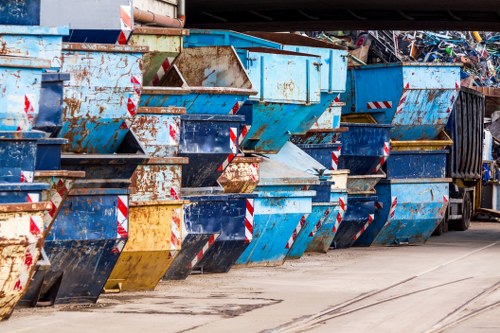 Commercial Waste Hayes is committed to building a cleaner, greener Hayes through practical, measurable sustainability. In this overview we outline our approach to an eco-friendly waste disposal area and a resilient sustainable rubbish area that supports local businesses, borough initiatives and the wider community. Our services balance operational efficiency with environmental stewardship so that every commercial premises in Hayes can play a part in reducing landfill and cutting carbon emissions.
We are guided by borough recycling frameworks that encourage separation at source — a practice aligned with the Hayes commercial recycling ethos. The London Borough of Hillingdon’s approach to waste separation, which promotes mixed dry recycling, food waste collection and proper hazardous item handling, influences how we structure collection rounds and advice for clients. By mirroring these public-sector rules, our commercial collections become easier to integrate with municipal transfer stations.
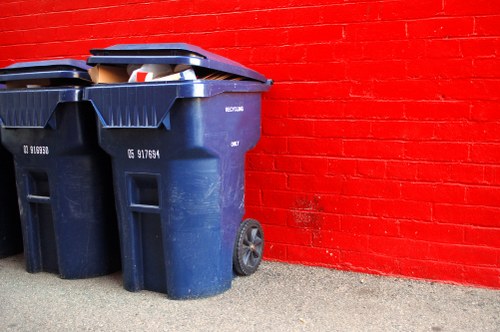 Key targets anchor our sustainability work. We have set a clear recycling percentage target of 70% diversion from landfill by 2030 for all contracts under the Commercial Waste Hayes program. This target applies across mixed commercial waste streams, including glass, paper and card, metals, plastics, and organics. It is a measurable commitment that drives investment in separation, reuse and partnerships that extend life cycles for materials.
Local Transfer Stations and Efficient Routing
Our network includes direct links to several local transfer stations and resource recovery facilities around West London. These transfer hubs are the backbone of a localised sustainable infrastructure, reducing haul distances and supporting the low-carbon logistics we prioritise. Working closely with facilities that accept segregated commercial loads helps ensure materials reach the right recycling streams instead of being downcycled or landfilled.
We also share routing data with transfer stations to maximise load efficiency. By coordinating with local processing centres in and around Hillingdon and neighbouring boroughs, we cut vehicle miles and fuel consumption. This integration supports the transformation from traditional waste collection to a truly circular process based in the local area.
Low-Carbon Vans and Fleet Innovations
Our fleet features low-carbon vans — including electric and hybrid vehicles — deployed on high-frequency urban rounds. These vans reduce local air pollution and are part of the broader Hayes low-carbon waste initiative. We schedule collections to minimise empty running, use telematics to optimise routes and prioritise vehicles charged from renewable sources where possible. The result is a lower operational carbon footprint that benefits both businesses and residents.
Partnerships with Charities and Reuse Schemes
Reuse is central to our sustainable rubbish area philosophy. Through formal partnerships with local charities and social enterprises, Commercial Waste Hayes redirects usable items — furniture, textiles, office equipment and surplus stock — to organisations that can give them a second life. These collaborations reduce waste volumes and support the local community by supplying affordable, refurbished goods to those in need.
We maintain a standardised assessment for donated commercial items to ensure safe, dignified reuse. Collaboration extends to charity-run workshops where repair and upcycling skills are taught, creating circular employment opportunities while also diverting substantial tonnages away from landfill and incineration.
To complement reuse, we run tailored segregation training for site staff so that the best materials are captured at source. Clear labelling, consolidated storage areas for reusable items and scheduled charity uplift days are part of the operational model that strengthens a local circular economy.
Practical Recycling Activities and Borough Alignment
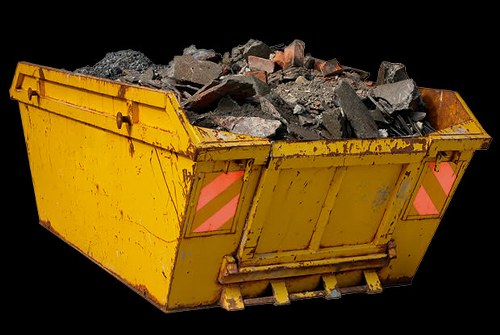
Commercial Waste Hayes supports a range of recycling activity appropriate to the area: segregated paper and card collections, glass-only streams, mixed plastics sorted for high-grade recycling, metal recovery and commercial-scale food waste processing for anaerobic digestion. We also handle construction and demolition (C&D) materials with dedicated separation plans to recover aggregates, timber and metals.
These activities are designed to align with borough policies — for example, adhering to the Hillingdon separation guidance for food waste and dry recyclables — which simplifies compliance and reporting for businesses. Our documentation supports regulatory requirements while encouraging best practice across diverse commercial sectors, from retail and hospitality to light industry.
 Measurement, Reporting and Continuous Improvement
To track progress against the 70% recycling target we employ robust measurement and reporting systems. Regular waste audits, tonnage-based performance metrics and transparent reporting cycles help clients understand where gains can be made. We provide dashboard-style summaries for contract managers and periodic recommendations for process changes that deliver measurable environmental and cost benefits.
Continuous improvement also means piloting new technologies — optical sortation partnerships, composting collaborations and trials of alternative fuel vehicles. Each pilot is evaluated for scalability in Hayes and neighbouring boroughs, with successful trials rolled out across the commercial waste disposal area.
 Community and Business Responsibility
Long-term sustainability in Hayes requires cooperation between businesses, waste operators and civic partners. Commercial Waste Hayes positions itself as a facilitator: helping companies meet regulatory obligations, reduce costs through better separation and access local transfer stations quickly. Our approach promotes an eco-conscious commercial waste sector that benefits the whole borough.
We invite businesses to participate in shared schemes — bulk recycling compaction, consolidated charity collections and pooled logistics — that increase efficiency and reduce emissions. By combining resources, smaller enterprises can access the same high-standard recycling services as larger organisations, supporting a truly inclusive sustainable rubbish area.
Summary of Commitments:
- 70% recycling percentage target by 2030 across commercial contracts
- Direct links to local transfer stations and borough-approved facilities
- Partnerships with charities for reuse and social value creation
- Low-carbon vans and route optimisation to minimise emissions
- Alignment with Hillingdon and neighbouring borough waste separation guidance
