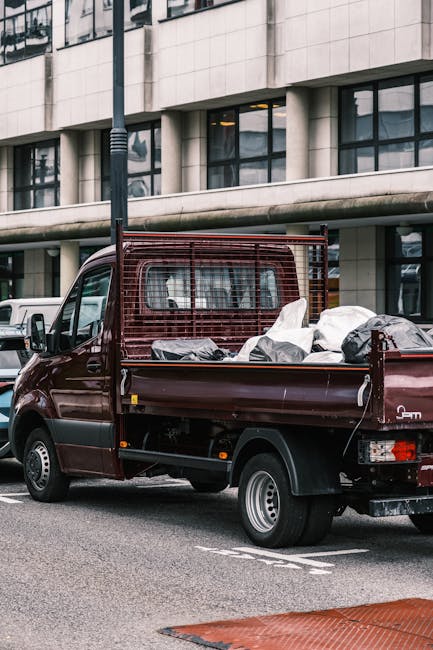
Late pickup delays for rubbish in Hayes common problems
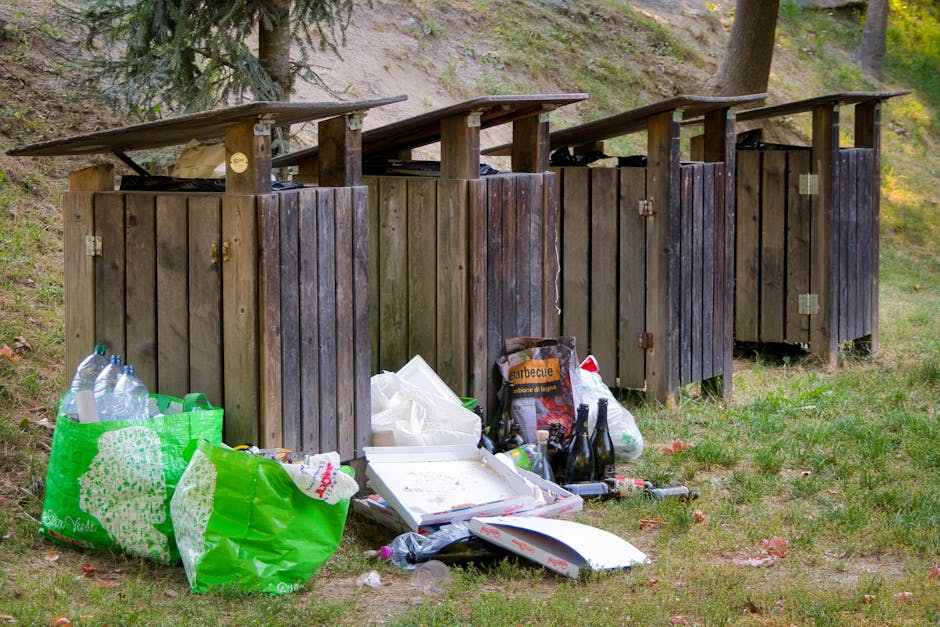
Late pickup delays for rubbish in Hayes can turn a simple day into a messy one. Bags pile up by the gate, a missed collection throws off your routine, and suddenly the back yard, alley, or forecourt starts to feel a bit tighter than it should. If you run a business, manage a property, or just want your home back in order, this is one of those issues that gets under the skin quickly.
This guide looks at the common problems behind delayed rubbish pickups in Hayes, why they happen, what the knock-on effects are, and how to reduce the chance of repeat delays. We will keep it practical and local, because to be fair, most people do not need theory. They need their waste gone on time.
Whether you are dealing with occasional service slippage or a pattern of missed collections, the basics are the same: know what to check, what to document, and what to do next. A little structure goes a long way.
Why late pickup delays matter
Waste delays are not just inconvenient. They can affect hygiene, safety, customer experience, and even how a property looks and feels. In a busy part of West London, a missed pickup can mean bags sitting out in damp weather, bins overflowing before the next round, or a loading area becoming awkward for staff and visitors.
For households, the problem often shows up as smell, mess, and frustration. For businesses, it can become a visible operational issue. A shop frontage with rubbish waiting too long looks untidy. A cafe yard with recycling bags drifting after a windy night is not exactly reassuring. And if you have ever opened a lid on a warm afternoon and been greeted by that unmistakable whiff of stale food waste, well, you know the rest.
It matters because delays tend to cascade. One missed collection can lead to extra sacks, blocked access, more pests, and a scramble to store waste somewhere that was never designed for it. The longer the delay, the more difficult the clean-up becomes.
Practical takeaway: the real issue is not just a late van. It is the chain reaction that follows when rubbish sits too long, especially in shared spaces, commercial yards, and densely used properties.
There is also a trust element. When rubbish removal is reliable, people barely think about it. When it is late, they think about it a lot. That is why understanding the common causes makes such a difference.
How late pickup delays for rubbish in Hayes common problems works
In simple terms, a rubbish pickup delay happens when waste is not collected within the expected window. That may be a scheduled collection slot, a booked removal time, or an agreed same-day service. The delay can be short or it can stretch into hours, and occasionally into the next day.
The causes usually fall into a few broad categories:
- Access problems such as blocked driveways, parked cars, locked gates, or hard-to-reach waste points.
- Incorrect presentation where rubbish is not separated, bags are too heavy, or items are left in a way that slows loading.
- Volume mismatch where the actual amount of waste is larger than expected.
- Operational delays such as traffic, staffing issues, vehicle breakdowns, or weather disruption.
- Service confusion where the booking details, address notes, or collection instructions are unclear.
In day-to-day life, the service often works best when the customer and provider are aligned. If the waste is ready, access is clear, and the scope is correct, the collection is usually straightforward. If one of those pieces slips, things slow down fast. It is rarely one dramatic issue; more often it is a handful of small ones stacking up.
A good operator will usually review the route, confirm the load, and try to minimise disruption. But even the best-run services can be affected by traffic or a building layout that makes loading awkward. That is where planning helps.
If you are comparing ways to handle waste more reliably, it may help to review a broader waste removal approach rather than relying on ad hoc clear-outs every time the bin fills up.
Key benefits and practical advantages
It might seem odd to talk about benefits in a delay article, but there are real advantages to dealing with the problem properly. The biggest one is simple: less disruption. When rubbish pickups run on time, the whole property feels easier to manage.
- Cleaner surroundings: less litter, fewer smells, and less chance of waste drifting or spilling.
- Better compliance posture: reduced risk of waste being stored in unsafe or unsuitable places.
- Improved customer perception: especially important for shops, offices, cafes, and rental properties.
- Less staff time wasted: no repeated chasing, reshuffling, or emergency bag-stacking.
- Lower stress: truth be told, knowing collection day is under control is one less thing on the mental to-do list.
There is also a planning benefit. Once you understand the common causes of delay, you can design around them. For example, if access is a recurring issue, you can change how waste is staged. If oversize items keep causing hold-ups, you can separate bulky items from general rubbish earlier in the week.
That kind of practical adjustment often matters more than trying to fix everything at the last minute. A small change in how waste is prepared can save a lot of back-and-forth later.
Who this is for and when it makes sense
This topic matters to a wide range of people in Hayes. Some are dealing with domestic waste that keeps getting left behind. Others manage buildings, rental stock, shops, or offices and need waste to move reliably.
- Homeowners and tenants who have missed bin days or overflow from refurb work.
- Landlords and letting agents managing shared bins, voids, or end-of-tenancy clearances.
- Shop owners and hospitality businesses needing regular collection without frontage clutter.
- Office managers who want predictable removal for paper, packaging, and bulky office waste.
- Builders and tradespeople dealing with mixed waste, rubble, packaging, and offcuts.
It also makes sense if you have noticed repeat issues with collection timing. Maybe the crew arrives late after lunch, maybe access keeps being missed, or maybe the load is consistently larger than expected. That pattern is the clue. Once is a hiccup. Three times is a process issue.
If your waste stream includes office paper, archive material, or sensitive paperwork, a service like confidential shredding may also help reduce the amount of mixed waste waiting around in storage areas.
And if you are dealing with a bigger reset - old furniture, bags, broken items, the lot - a more complete house clearance or office clearance may be more sensible than trying to patch around the delay.
Step-by-step guidance
If you want to get a handle on late rubbish pickup delays, start with the basics. The fix is often less complicated than people fear, but it does need a method.
- Confirm the collection details. Check the date, time window, access instructions, waste type, and any special notes. It sounds obvious. It often is. Still, details get missed.
- Inspect access to the waste point. Look for parked vehicles, locked gates, narrow paths, low branches, or anything that could slow the crew down.
- Review the load itself. Is the waste sorted? Are there heavy items, sharp edges, or mixed materials that need separate handling?
- Check whether the volume changed. A few extra bags become a big issue when the original plan was based on a lighter load.
- Document what happened. Take a quick photo, note the time, and keep the booking reference. Nothing fancy, just enough to be clear.
- Report the issue promptly. Do not let the delay drift. The sooner it is flagged, the easier it is to resolve.
- Adjust the process for next time. Move the waste earlier, improve access, or split out awkward items before the next collection.
Here is a realistic example. A small salon in Hayes had repeat delays because general waste bags were being left behind a side door that staff also used for stock deliveries. On collection day, a delivery pallet would sometimes block the route. Nothing major, just enough to slow everything down. Once the waste was moved to a clearer position by early morning, the problem nearly disappeared.
Small change. Big difference. That is usually how this works.
Expert tips for better results
In our experience, the best results come from making the collection easy to complete, not merely available on paper. That means thinking like the crew arriving on site. What will they see first? How far will they need to carry the waste? Is the area obvious in poor light? Could they actually reach it without hassle?
Here are a few practical tips that genuinely help:
- Stage waste in one tidy point rather than scattering bags across several spots.
- Keep access notes simple and direct, especially for rear entrances or shared yards.
- Separate bulky items early so they do not block the lighter waste.
- Use the right container size if the job is regular rather than one-off.
- Plan around busy streets and school-run times where vehicle access can be slower than expected.
- Leave a bit of margin before rain, closing time, or deliveries. Everyone thinks they will have five extra minutes. Then the van is there, and suddenly not.
If your waste includes heavy or awkward items, make sure the handling plan is sensible. For example, a job involving broken white goods is very different from simple bagged waste. A specialist service such as fridge and appliance removal can be much better suited than a general collection.
Another helpful angle is sustainability. Cleaner sorting and better preparation can reduce wasted journeys and improve what can be recycled. If that matters to you - and increasingly it does - a considered recycling and sustainability approach is worth building into your waste routine.
One small note: do not overcomplicate it. A tidy, well-labelled, reachable pile beats a perfect spreadsheet with rubbish in three impossible locations. Every time.
Common mistakes to avoid
The same errors come up again and again. They are avoidable, but only if you know to look for them.
- Assuming the collection crew knows the site. If the layout is unusual, explain it.
- Leaving access for later. If a gate is usually locked, it needs to be open at the right time, not eventually.
- Underestimating volume. One extra room clear-out or delivery week can change the load completely.
- Mixing unsuitable items together. Waste categories matter more than people think.
- Forgetting about weather. Heavy rain, icy paths, or strong wind can turn a straightforward collection into a slow one.
- Not recording the issue. Without notes or photos, problems are harder to resolve cleanly.
Another common misstep is waiting for the collection to fail before checking the route. By then, it is too late. A quick look the evening before or early on the day can save a lot of faff. Yes, faff. Very technical term, but it fits.
For larger domestic clear-outs, many delays start because the waste was never properly grouped in the first place. If that sounds familiar, a structured service like furniture clearance or garden clearance may prevent the pile-up from becoming unmanageable.
Tools, resources and recommendations
You do not need a big system to manage delayed rubbish pickups well. A few simple tools and habits are usually enough.
- Calendar reminders: useful for regular collection days and booking windows.
- Phone camera: quick evidence if a collection is missed or access problems need to be shown.
- Basic site notes: keep the gate code, loading point, and contact name in one place.
- Waste sorting labels: especially helpful for offices, shared blocks, and managed premises.
- Secure storage area: if waste must wait, it should wait safely and neatly.
For recurring commercial waste, a planned service is often better than a one-off response. A reliable booking process makes delays easier to prevent. If you are pricing this up, a clear page such as pricing and quotes can help you compare scope, frequency, and handling expectations without guessing.
For larger jobs where timing matters and the volume keeps growing, a pre-booked book online option can be useful, especially when you want certainty rather than a phone tag situation that drags on all day.
If you are still unsure which service fits, an initial conversation with a provider can save time. It is better to ask a slightly awkward question now than to have a half-collected pile sitting outside later.
Law, compliance, standards, or best practice
Waste handling in the UK sits within a wider framework of duty of care, safe handling, and responsible disposal. The exact obligations vary by property type and waste stream, so it is wise to treat this as general guidance rather than a substitute for specific advice.
In practice, that means a few simple standards should always apply:
- Waste should be presented safely. Sharp, heavy, wet, or awkward items should be managed so they do not create injury risks.
- Waste should be stored sensibly before collection. Not in walkways, fire exits, or unstable piles.
- Special waste needs special handling. Hazardous items, electrical goods, and contaminated material should not be treated like normal bagged rubbish.
- Records should be kept where appropriate. Commercial operators in particular often need a clear paper trail.
If you handle items like chemicals, contaminated materials, or other higher-risk waste, use a provider that understands the added care required. A dedicated hazardous waste disposal option is the right sort of route for those jobs, not a casual add-on.
Health and safety matters too. Delayed waste that accumulates in cramped spaces can create slip hazards, blocked access, and manual handling issues. A well-run service should reduce those risks, not add to them. If you want to understand how a provider approaches those responsibilities, their health and safety policy and insurance and safety information are worth checking.
Best practice is straightforward: prepare waste properly, keep access clear, separate special items, and communicate early if something changes. No drama. Just decent process.
Options, methods, or comparison table
Not every waste issue needs the same fix. The right method depends on volume, urgency, and how often the problem happens. Below is a simple comparison to help you think it through.
| Option | Best for | Strengths | Possible drawbacks |
|---|---|---|---|
| Regular scheduled collection | Homes, offices, shops, and repeat waste streams | Predictable, easier to plan around, less clutter | Needs good access and accurate sorting |
| One-off rubbish removal | End-of-tenancy jobs, clear-outs, post-refit waste | Flexible and useful for sudden build-up | Can be harder to coordinate if the site is busy |
| Bulky-item focused collection | Furniture, mattresses, appliances | Better handling for awkward objects | May need separate booking or preparation |
| Full property clearance | Major declutters, probate, hoarded or neglected spaces | Comprehensive and efficient for large jobs | Requires more planning and often more time on site |
If you are comparing methods, ask yourself one simple question: are you dealing with a routine problem or a one-off pile-up? That answer usually points you in the right direction. And if the waste includes bulky furniture or awkward household items, services like mattress and sofa disposal or even a broader flat clearance can make the job much simpler.
Case study or real-world example
A mixed-use building in Hayes had a recurring issue with late rubbish pickup. Nothing dramatic at first. Just a delay here and there. But over a few weeks, the rear waste area began to look untidy. Bags were being left in a narrow passage beside delivery cages, and staff kept moving them around to make space for stock. By collection day, the access point was a puzzle rather than a clear route.
The fix was surprisingly basic. The building manager changed where waste was staged, introduced a simple label system, and asked tenants to put out rubbish by an earlier cut-off time. They also confirmed the loading access in writing so everyone knew the process. The next few collections were smoother almost immediately.
What mattered most was not heroics. It was consistency. No one needed a grand solution; they needed the waste in the right place at the right time. That is the part people underestimate.
We see the same pattern in house clearances too. If the property is crammed, a job that starts late can feel chaotic very quickly. In those cases, a more structured service such as home clearance or loft clearance often avoids the sort of repeated delays that happen when rubbish is left to accumulate in awkward corners.
Practical checklist
Use this checklist before the collection window. It is simple, but it works.
- Waste is gathered in one clear location
- Access routes are open and free of parked vehicles
- Gate codes, keys, or entry notes are ready
- General waste is separated from specialist items
- Bulky items are clearly identified
- Anything sharp or heavy is safely packed
- The collection time has been confirmed
- Someone on site knows who to call if there is a problem
- Photos or notes are ready if the delay needs reporting
- The next collection date is already pencilled in
If you are dealing with repeat delays, add one more line to the checklist: what changed since last time? That one question often reveals the issue faster than anything else.
It can be as small as a new parking habit, a bin being left in the wrong corner, or a delivery blocking the path at the wrong hour. Tiny thing, big nuisance. Annoyingly common.
Get a free quote today and see how much you can save.
Conclusion
Late pickup delays for rubbish in Hayes are usually solvable once you understand the pattern behind them. In many cases, the root cause is not the waste itself but the way it is prepared, staged, or accessed. That is good news, because it means small changes can make a real difference.
Clear the route. Confirm the booking. Sort the load. Keep notes. Those are the practical habits that reduce stress and keep things moving. If the issue is occasional, these steps may be enough. If it is recurring, it may be time to switch to a better-fit service or a more structured collection plan.
Waste management does not need to be glamorous. It just needs to work, quietly and reliably, so the rest of your day can get on with itself. And honestly, that is enough.
Frequently Asked Questions
Why are rubbish pickups late in Hayes?
Common reasons include access problems, traffic, incorrect waste presentation, larger-than-expected volume, and operational delays. Often it is a mix of small issues rather than one big fault.
What should I do if my rubbish was not collected on time?
Check the booking details, confirm access is clear, take photos if helpful, and report the delay promptly. Keep your notes short and factual so the issue can be resolved quickly.
Can late pickups cause hygiene or safety problems?
Yes. Waste left too long can smell, attract pests, block access, and create slip or trip hazards. In shared or commercial spaces, the impact can spread quickly.
How can I reduce the chance of delays happening again?
Prepare waste earlier, keep access points clear, separate bulky items, and make sure collection instructions are easy to follow. A simple process usually prevents repeat problems.
Is it better to book a one-off removal or a regular service?
If the waste is recurring, a regular service is often more reliable. If it is a one-time clear-out, a one-off removal may be more suitable. The best choice depends on volume and frequency.
What if my rubbish includes bulky furniture or appliances?
Bulky items often need different handling from general bagged waste. A more specific service such as furniture or appliance removal is usually more efficient and less likely to be delayed.
Do I need special handling for hazardous waste?
Yes. Hazardous or higher-risk waste should be treated separately and handled by a provider that understands the correct precautions. It should never be mixed in casually with normal rubbish.
How can businesses in Hayes avoid waste piling up outside?
Set a clear staging area, assign a cut-off time, keep access routes open, and make sure staff know what goes out and when. Small routines help a lot, especially in busy premises.
What records should I keep if collections are delayed?
Keep the date, time, booking reference, a short description of the issue, and any photos if needed. That is usually enough to explain what happened and support a follow-up.
Can poor access really delay a pickup that much?
Absolutely. A blocked driveway, locked gate, or awkward carrying route can slow a collection enough to miss the planned slot. Access is often more important than people realise.
What is the most common mistake people make?
Assuming the collection will be fine without checking access or waste preparation. In real life, that is where many delays start. A quick check beforehand usually prevents trouble.
When should I escalate a repeated delay problem?
If delays keep happening after you have checked access and preparation, escalate it. Repeated issues suggest a process problem, not a one-off slip. That is the point where a better-fit service may be needed.